

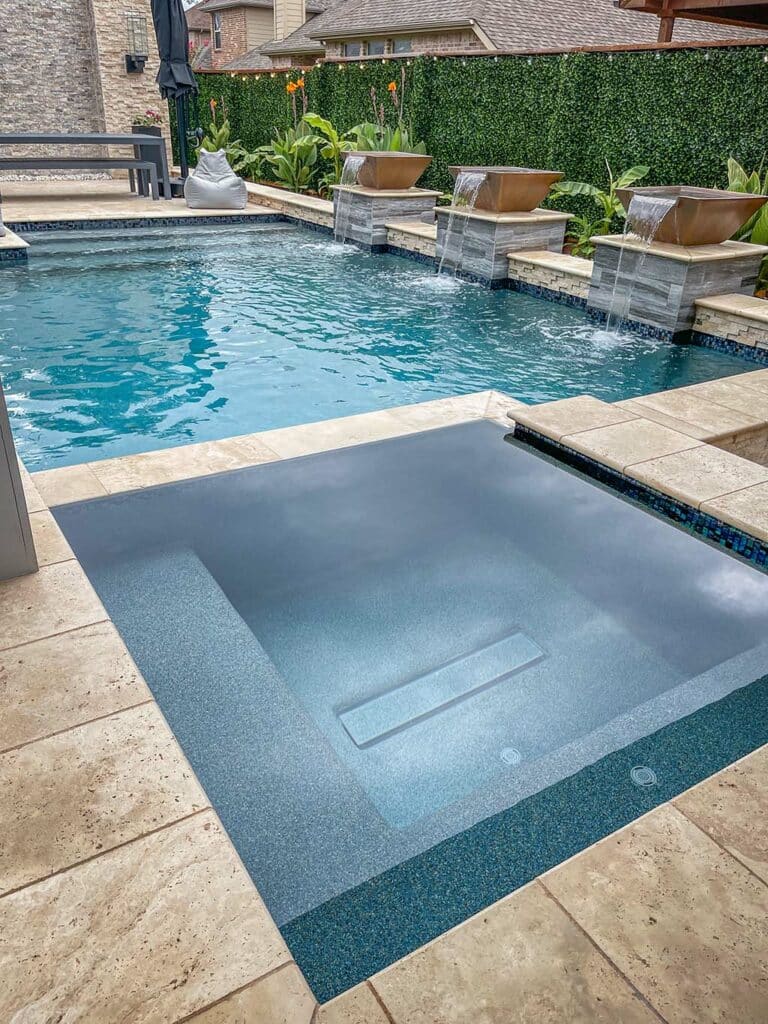

Summer should be about crystal-clear water and refreshing swims, not staring at a green, murky pool that looks more like a swamp than an oasis. If you’ve ever walked outside to find your once-pristine pool has transformed into an uninviting green mess overnight, you’re not alone. This frustrating problem affects countless pool owners during the warmer months, but the good news is that it’s entirely preventable with the right knowledge and approach.
Green pool water is a sign that your pool’s ecosystem is out of balance. Understanding why this happens and how to stop it will save you time, money, and the disappointment of a summer with an unusable pool.
Let’s dive into the science behind green pool water and explore proven strategies to keep your pool sparkling clean all season long.
What Causes Pool Water to Turn Green?
Algae Growth
The primary culprit behind green pool water is algae—microscopic organisms that thrive in warm, stagnant water. These single-celled plants multiply rapidly when conditions are right, turning your pool into their personal breeding ground. Green algae, the most common type, can bloom so quickly that your pool can change color overnight.
Chlorine Imbalance
Chlorine is your pool’s primary defense against algae, but maintaining the right balance can be tricky during summer months. When chlorine levels drop below 1 ppm (parts per million), algae can establish a foothold and multiply rapidly. Several factors can deplete chlorine faster in summer:
- Heavy pool usage increases the demand for chlorine
- UV rays from intense sunlight break down chlorine molecules
- Higher water temperatures cause chlorine to dissipate more quickly
- Rainfall can dilute chlorine levels
Poor Pool Circulation
Stagnant water is algae’s best friend. Your pool’s circulation system—the pump, filter, and skimmer—works together to keep water moving and filtered. When circulation is inadequate, dead zones form where algae can settle and multiply undisturbed.
Common circulation problems include:
- Clogged or dirty filters
- Malfunctioning pool pumps
- Blocked skimmers or return jets
- Insufficient run time for circulation equipment
Preventing Green Pool Water: Essential Maintenance Tips
1. Proper Chlorine Levels
Maintaining chlorine levels between 1-3 ppm is crucial for preventing algae growth. Test your water at least twice weekly during summer, and daily during periods of heavy use or hot weather. Free chlorine should always be higher than combined chlorine to ensure effective sanitization.
Consider using stabilized chlorine products that resist UV degradation, or add cyanuric acid to protect unstabilized chlorine from sunlight. However, keep cyanuric acid levels between 30-50 ppm—too much can reduce chlorine effectiveness.
2. Regular Pool Cleaning
Daily skimming removes debris before it sinks and decomposes, preventing nutrient buildup that feeds algae. Focus on:
- Skimming the surface every morning
- Emptying skimmer baskets regularly
- Brushing the pool walls and floor weekly
- Vacuuming debris that settles on the bottom
Pay special attention to areas with poor circulation, such as behind ladders, steps, and corners, where algae often start growing.
3. Ensure Proper Water Circulation
Your circulation system should run long enough to turn over the entire pool volume at least once daily. Most pools need 8-12 hours of circulation during summer months. Check that your pump and filter are working efficiently by:
- Monitoring water flow at return jets
- Cleaning or replacing filters as needed
- Ensuring skimmer baskets aren’t clogged
- Checking that all return jets are properly positioned
How to Prevent Future Algae Blooms in Summer
Proper Pool Covering
A quality pool cover blocks sunlight and prevents debris from entering your pool when not in use. This simple step can significantly reduce algae growth by eliminating two key factors algae need to thrive. Solar covers also help maintain water temperature while reducing chlorine loss from UV exposure.
Use your cover consistently, especially during extended periods when the pool won’t be used or during storms that might introduce debris and contaminants.
Maintaining Proper Water Chemistry
Beyond chlorine, several other chemical factors affect algae growth:
- pH levels: Keep between 7.2-7.6 for optimal chlorine effectiveness
- Total alkalinity: Maintain 80-120 ppm to buffer pH changes
- Calcium hardness: Keep between 150-300 ppm to prevent surface damage
- Phosphate levels: Keep below 100 ppb to limit algae nutrition
Test these parameters weekly and adjust as needed. Balanced water chemistry not only prevents algae but also protects your pool equipment and surfaces.
Scheduled Maintenance
Consistency is key to preventing green pool water. Establish a regular maintenance schedule that includes:
- Daily skimming and emptying baskets
- Weekly brushing and vacuuming
- Bi-weekly filter cleaning
- Monthly equipment inspection
- Seasonal professional service
Track your maintenance activities to identify patterns and adjust your routine based on pool usage and weather conditions.
How to Handle Severe Algae Infestations
When prevention fails and you’re facing a full algae bloom, immediate action is essential. Severe infestations require more aggressive treatment than regular maintenance:
- Start with a shock treatment using calcium hypochlorite or sodium hypochlorite, raising chlorine levels to 10-20 ppm. Run your filtration system continuously and brush the pool vigorously to break up algae colonies. You may need to repeat this process several times for stubborn infestations.
- Call a professional pool service if the algae bloom covers most of your pool or if multiple shock treatments haven’t resolved the problem. Persistent algae can indicate underlying issues with your pool’s circulation, filtration, or water chemistry that require expert diagnosis.
Don’t ignore severe algae problems—they can cause permanent staining to pool surfaces and damage to equipment if left untreated.
Keep Your Pool Crystal Clear All Summer
Preventing green pool water requires diligence, but the effort pays off with a beautiful, swimmable pool all season long. If you’re ready to make your backyard a dream vacation spot, contact Outdoor Living Pool & Patio today for expert pool maintenance services and personalized advice to keep your pool sparkling clean all season long.
