

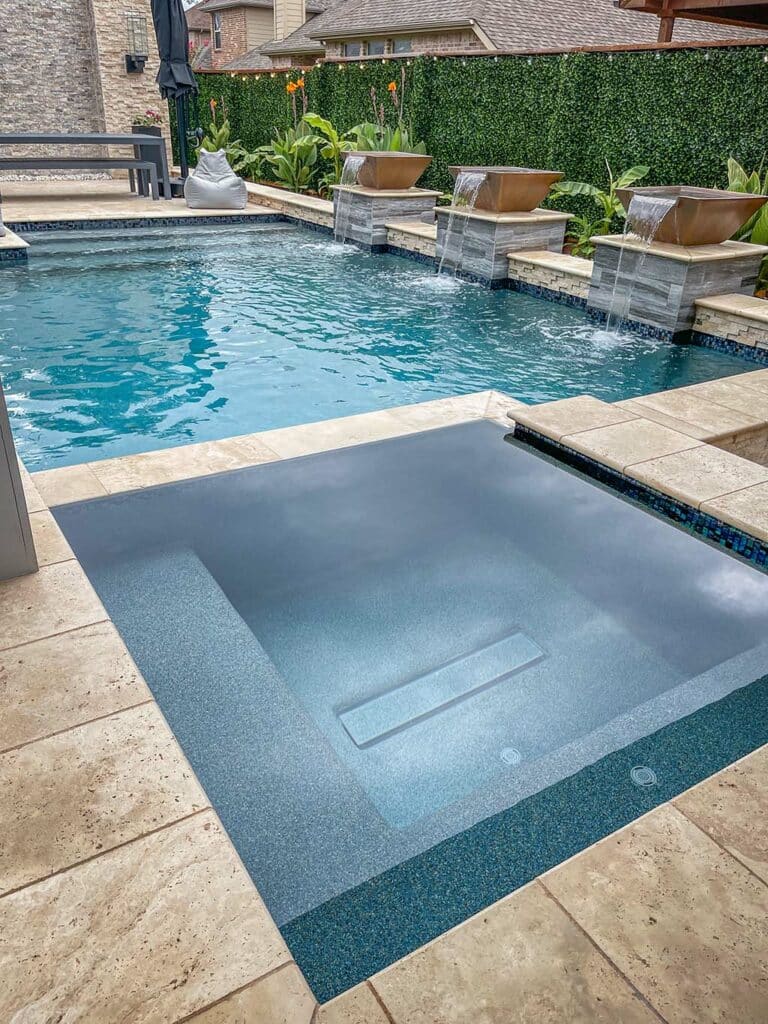

You’ve been dreaming about it for months. Maybe you’ve already started scrolling through pool designs on Pinterest or measuring the space in your backyard. The vision is clear: summer afternoons floating on pool noodles, weekend barbecues with friends gathered around sparkling blue water, and kids splashing happily while you relax nearby.
But before you call that pool contractor, there’s more to creating your perfect backyard pool than having enough space and a solid budget. Here are five often-missed considerations that smart homeowners check before diving into their pool project.
1. Sun Exposure and Shade Patterns
Your backyard pool will only be as enjoyable as the conditions surrounding it, and nothing affects your swimming experience quite like sun exposure. While a little shade can provide welcome relief on scorching summer days, too much shade creates problems you might not expect.
Why sun exposure matters:
- Water temperature stays more comfortable with adequate sunlight
- Natural sunlight helps prevent algae growth
- Sunny pools require less chemical treatment
- Pool heaters work more efficiently when supplementing the sun, not fighting the shade
Take time to observe your yard at different times of day and, if possible, during different seasons. Morning sun helps warm the pool for afternoon use, while late afternoon sun extends your swimming season into the evening hours. If your proposed pool location gets less than six hours of direct sunlight daily, you might want to consider repositioning it or factoring in additional heating costs.
2. Local Zoning and Permit Rules
Nothing stops a pool project faster than discovering you’ve violated local regulations halfway through construction. Every municipality has its own set of rules governing backyard pools, and these requirements can vary significantly even between neighboring towns.
Common zoning restrictions include:
- Minimum distance from property lines (setback requirements)
- Maximum pool depth in residential areas
- Fencing height and gate specifications
- Drainage and runoff management requirements
- Noise ordinances that might affect pool equipment
Some areas require pools to be a certain distance from septic systems or wells. Others have strict guidelines about pool lighting that could affect your nighttime swimming plans. Homeowners associations often add their own layer of requirements on top of municipal codes.
The permit process itself can take weeks or even months, depending on your location and the complexity of your project. Starting this process early prevents delays and helps you budget for any required modifications to your original plan.
Action steps:
- Contact your local building department for specific pool regulations
- Check with your homeowners association for additional restrictions
- Factor permit costs and timeline into your project budget
- Hire a contractor familiar with local requirements
3. Access for Construction Equipment
Here’s something most homeowners never consider until it’s too late: how will the construction crew actually get their equipment to your backyard? Pool installation requires heavy machinery—excavators, concrete trucks, and material delivery vehicles that need clear, stable access to your building site.
Limited access doesn’t necessarily mean you can’t build a pool, but it almost certainly means higher construction costs. When crews can’t bring standard equipment to your site, they need to use smaller, less efficient machinery or transport materials manually.
Common access challenges:
- Narrow side yards that can’t accommodate wide equipment
- Low-hanging tree branches or power lines
- Steep slopes or unstable ground conditions
- Gates or fences that limit entry points
- Soft ground that won’t support heavy machinery
If access proves challenging, discuss alternatives with your contractor early in the planning process. Sometimes, a slight adjustment to the pool’s position can save thousands in additional construction costs.
4. Drainage and Slope
Water always flows downhill, and proper drainage around your backyard pool is crucial for both the longevity of your installation and the safety of your property. Poor drainage can lead to erosion around the pool, flooding in nearby areas, or even structural problems with the pool itself.
Drainage considerations:
- Water should flow away from the pool, not toward it
- Existing drainage patterns may need modification
- Poor drainage can cause pool decking to shift or crack
- Excess water can undermine pool walls and plumbing
Professional grading might be necessary to direct water flow appropriately. This could involve installing French drains, retaining walls, or simply reshaping the landscape around your pool area. While these additions increase project costs, they’re much less expensive than dealing with water damage later.
Signs you might need drainage work:
- Water pools anywhere in your yard after rain
- Soggy or spongy areas that stay wet long after storms
- Evidence of erosion or soil movement
- Basement or foundation moisture issues
5. Utility Lines and Underground Hazards
Perhaps the most dangerous oversight in pool planning is failing to locate underground utilities before excavation begins. Hitting a gas line, electrical cable, or water main can be expensive and dangerous.
Most states require professional utility location before any major digging project, but this service typically only covers public utilities. Private lines running to outbuildings, landscape lighting, or irrigation systems require separate investigation.
Underground hazards to consider:
- Gas lines (extremely dangerous if damaged)
- Electrical cables for landscape or outdoor lighting
- Water and sewer lines
- Internet, cable, and phone lines
- Irrigation system components
- Old septic systems or underground storage tanks
The utility location process takes time, so schedule it early in your planning phase. Once you know where underground obstacles are located, you can adjust your pool design accordingly or budget for professional utility relocation.
Ready to Make a Splash?
Creating your dream backyard pool involves much more than choosing between rectangular and kidney-shaped designs. By addressing these five often-overlooked factors before you break ground, you’ll avoid costly surprises, construction delays, and long-term maintenance headaches.
If you’re ready to transform your backyard into a personal oasis, the experts at Outdoor Living Pool & Patio can help you navigate every step of the process. From initial site evaluation to final installation, we’ll ensure your pool project is built right the first time.
